GuidesOld houses, pavilions and historic sites
Where are Daegu's old houses, pavilions, ancient tombs, mountain fortresses and other historic sites?
The site lists 41 old historic sites in Daegu, such as old houses, pavilions, monuments, ancient tombs and mountain fortresses, not counting Confucian academies, Confucian schools, temples and modern buildings.
Dalseong-gun has 14, Dong-gu and Suseong-gu 8 each, Buk-gu 5, Gunwi-gun 3, Jung-gu 2 and Nam-gu 1. 29 have the opening-hours value 'always open', and 33 list the fee as 'free'. 1 place closes every Monday: Daegu Guam-dong Ancient Tombs. Parking is available at 31 places. 9 places, including House of Seo Sang-don, House of Yi Sang-hwa, Daegu Guam-dong Ancient Tombs and Hwasan Fortress, have no parking.
The 41 places in this guideFull list

- Hours
- 10:00–17:00Call for details
- Closed days
- Every Monday more

- Hours
- Summer 09:00–18:00Winter 09:00–17:30
- Closed days
- Open year-round

- Hours
- 10:00–17:30
- Closed days
- Open year-round

- Hours
- Always open
- Closed days
- Open year-round

- Hours
- Hanok stay 15:00–12:00 (next day)
- Closed days
- Open all year

Birthplace of President No Tae-u
- Hours
- Always open
- Closed days
- Open all year
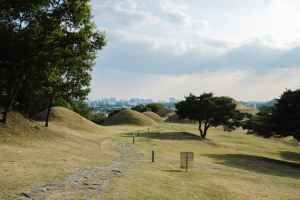
Daegu Bullo-dong Ancient Tombs
- Hours
- Always open
- Closed days
- Open all year

- Hours
- Always open
- Closed days
- Open all year

- Hours
- Always open
- Closed days
- Open all year

Sinmu-dong Rock-carved Seated Buddha
- Hours
- Always open
- Closed days
- Open all year

General Sin Sung-gyeom Historic Site
- Hours
- 10:00–17:00
- Closed days
- Open all year

Hoejindangwonuidaesaji Monument
- Hours
- Always open
- Closed days
- Open year-round
- 29 moreSee the full list
Photos: Korea Tourism Organization · KOGL Type 1, KOGL Type 3 (no changes allowed)
The 41 are 12 pavilions and ancestral halls, 10 monuments and pagodas, 8 old houses, 3 each of fortresses and ancient tombs, 2 each of rock-carved Buddhas and sajikdan altars, and 1 birthplace
- In the Korea Tourism Organization's national heritage category, 41 places remain on this site after removing Confucian academies and schools (see the Confucian academy and school guide), temples (see the temple guide) and modern buildings (see the modern alley guide).
- The 12 pavilions, ancestral halls and similar sites are as follows.
- Dong-gu has Bongmujeong Pavilion and General Sin Sung-gyeom Historic Site, and Buk-gu has Songgyedang and Hwanseongjeong Pavilion.
- Suseong-gu has Momyeongjae, and Gunwi-gun has Gunwi Daeyul-ri Daecheong.
- Dalseong-gun has Dalseong Hamokjeong Pavilion, Dalseong Hyeonpung Seokbinggo Ice House, Wonhoru Pavilion, Sogyejeong Pavilion, Subongjeongsa and Sahyoja Cave.
- The 8 old houses are House of Seo Sang-don and House of Yi Sang-hwa (Jung-gu), Gyeonggeuk Historic House and Moyeongjae (Dong-gu), Dalseong Samgaheon Historic House, Dalseong Jogilbang Historic House and Dalseong Taegojeong Pavilion (Dalseong-gun), and Gunwi Namcheon Historic House (Gunwi-gun).
- Of the 10 monuments, pagodas and similar sites, 5 are in Suseong-gu.
- Dalseong-gun has 3: Doseongam Three-story Stone Pagoda, Jinjugangssimoyeolgak and Hyeonpung Gwakssi Sibi Jeongnyeogak.
- The fortresses are Daegu Palgeosanseong Fortress, Yeongnamjeilgwan, which was the south gate of Daegu Eupseong Fortress, and Hwasan Fortress in Gunwi-gun.
- The ancient tombs are Daegu Bullo-dong Ancient Tombs, Daegu Guam-dong Ancient Tombs and Tomb of Honguijanggun Gwak Mang-u-dang, the tomb of General Gwak Jae-u.
- The rock-carved Buddhas are Sinmu-dong Rock-carved Seated Buddha and Eumnae-dong Rock-carved Buddha.
- The sajikdan altars are Nobyeon-dong Sajikdan Altar and Dalseong (Hyeonpung) Sajikdan Altar.
- The birthplace is 1 place: Birthplace of President No Tae-u.
- Hours
- Open at all times (a great-great-grandson lives in NeungseongsegaPrior understanding)
- Closed days
- Open year-round (a great-great-grandson lives in Neungseongsega / prior understanding)

- Hours
- Always open
- Closed days
- Open year-round

- Hours
- Always open
- Closed days
- Open all year
- Hours
- Always open
- Closed days
- Open all year

- Hours
- Always open
- Closed days
- Open all year

Dalseong Hyeonpung Seokbinggo Ice House
- Hours
- Always open
- Closed days
- Open all year

- Closed days
- Open year-round

- Hours
- Private historic site more
- Closed days
- Open year-round

- Hours
- 10:00–17:00 more
- Closed days
- Open year-round

- Hours
- Always open
- Closed days
- Open all year

Dalseong Samgaheon Historic House
- Hours
- Always openResidents actually live here more
- Closed days
- Open all year

Dalseong Jogilbang Historic House
- Hours
- Always open
- Closed days
- Open all year

Not listed: Hours·Closed days·Fee

- Hours
- Varies by facility, so see the website
- Closed days
- Open all year

Doseongam Three-story Stone Pagoda
- Hours
- 08:00–18:00
- Closed days
- Open all year

- Hours
- Open at all times
- Closed days
- Open year-round

Hyeonpung Gwakssi Sibi Jeongnyeogak
- Hours
- Always open
- Closed days
- Open all year
- Hours
- Always open
- Closed days
- Open all year

- Hours
- 09:00–18:00Weekends 10:00–18:00 more
- Closed days
- Open year-round

Tomb of Honguijanggun Gwak Mang-u-dang
- Hours
- Always open
- Closed days
- Open year-round

Eumnae-dong Rock-carved Buddha
- Hours
- Always open
- Closed days
- Open year-round

- Hours
- Always open
- Closed days
- Open all year

Dalseong (Hyeonpung) Sajikdan Altar
- Hours
- Always open
- Closed days
- Open all year

Photos: Korea Tourism Organization · KOGL Type 3 (no changes allowed), KOGL Type 1
- Bongmujeong PavilionHours Always open
- General Sin Sung-gyeom Historic SiteHours 10:00–17:00
- House of Seo Sang-donClosed days Open year-round
- House of Yi Sang-hwaHours 10:00–17:30
- Gyeonggeuk Historic HouseClosed days Open all year
- MoyeongjaeHours Always open
- Hwasan FortressHours Always open
- Daegu Bullo-dong Ancient TombsHours Always open
- Daegu Guam-dong Ancient TombsHours 10:00–17:00
- Sinmu-dong Rock-carved Seated BuddhaHours Always open
- Birthplace of President No Tae-uHours Always open
29 are always open, and 8 have set opening hours
- 29 places have the opening-hours value 'always open'.
- 8 have set opening hours.
- House of Seo Sang-don is open 09:00–18:00 in the summer season and 09:00–17:30 in the winter season, and House of Yi Sang-hwa is open 10:00–17:30.
- General Sin Sung-gyeom Historic Site is open 10:00–17:00, and Doseongam Three-story Stone Pagoda is open 08:00–18:00.
- Subongjeongsa is open 10:00–17:00, but you must inquire before visiting.
- Daegu Guam-dong Ancient Tombs is open 10:00–17:00 and closed every Monday, on January 1 and during the Seollal and Chuseok holidays.
- Yeongnamjeilgwan is not open on weekends in the winter season (December to March).
- At Gyeonggeuk Historic House, the hanok stay runs from 15:00 to 12:00 the next day, and experiences cost extra.
- Sogyejeong Pavilion is a private historic site, so call 053-668-3161–4 before visiting.
- At Gunwi Namcheon Historic House, opening hours and fees differ by facility.
- At Songgyedang, you must ask permission in advance because a great-great-grandson lives in the neighboring house, Neungseongsega.
- Dalseong Samgaheon Historic House is also a home where residents live, so avoid visiting at night.
- 33 places list the fee as 'free'.
- House of Seo Sang-donClosed days Open year-round
- House of Yi Sang-hwaHours 10:00–17:30
- General Sin Sung-gyeom Historic SiteHours 10:00–17:00
- Doseongam Three-story Stone PagodaHours 08:00–18:00
- SubongjeongsaHours 10:00–17:00
- Daegu Guam-dong Ancient TombsHours 10:00–17:00
- YeongnamjeilgwanHours 09:00–18:00
- Gyeonggeuk Historic HouseClosed days Open all year
- Sogyejeong PavilionClosed days Open year-round
- Gunwi Namcheon Historic HouseClosed days Open all year
- Songgyedang
- Dalseong Samgaheon Historic HouseHours Always open
Parking is available at 31 places, and 10 list parking as free
- 31 places have the parking value 'available'.
- Of these, 10 list parking as free: Eumnae-dong Rock-carved Buddha, Hwanseongjeong Pavilion, Memorial Monument to Colonel Naya, Daegubu Suseong Monument, Yeongyeongchukseongbi, Dalseong (Hyeonpung) Sajikdan Altar, Doseongam Three-story Stone Pagoda (3 stories), Sogyejeong Pavilion, Subongjeongsa and Tomb of Honguijanggun Gwak Mang-u-dang.
- 9 places have no parking: House of Seo Sang-don, House of Yi Sang-hwa, Daegu Guam-dong Ancient Tombs, Igongjebi and Gunsu Ihubeomseon Yeongsebulmangbi, Dalseong Samgaheon Historic House, Sahyoja Cave, Jinjugangssimoyeolgak, Gunwi Daeyul-ri Daecheong and Hwasan Fortress.

Memorial Monument to Colonel Naya
- Hours
- Always open
- Closed days
- Open all year

- Hours
- Always open
- Closed days
- Open all year

- Hours
- Always open
- Closed days
- Open year-round

Igongjebi and Gunsu Ihubeomseon Yeongsebulmangbi
- Hours
- Always open
- Closed days
- Open year-round
Photos: Korea Tourism Organization · KOGL Type 3 (no changes allowed)
- Eumnae-dong Rock-carved BuddhaHours Always open
- Hwanseongjeong PavilionHours Always open
- Dalseong (Hyeonpung) Sajikdan AltarHours Always open
- Doseongam Three-story Stone PagodaHours 08:00–18:00
- Sogyejeong PavilionClosed days Open year-round
- SubongjeongsaHours 10:00–17:00
- Tomb of Honguijanggun Gwak Mang-u-dangHours Always open
- House of Seo Sang-donClosed days Open year-round
- House of Yi Sang-hwaHours 10:00–17:30
- Daegu Guam-dong Ancient TombsHours 10:00–17:00
- Dalseong Samgaheon Historic HouseHours Always open
- Sahyoja CaveHours Always open
- JinjugangssimoyeolgakClosed days Open year-round
- Gunwi Daeyul-ri DaecheongHours Always open
- Hwasan FortressHours Always open
Dalseong-gun has the most with 14, Dong-gu's sites are at the foot of Palgongsan, and Suseong-gu's are clustered around Yeongnamjeilgwan
- The 8 in Dong-gu are scattered at the foot of Palgongsan.
- Sinmu-dong Rock-carved Seated Buddha is below the valley of Buinsa Temple (Daegu), Hoejindangwonuidaesaji Monument is on the old approach to Pagyesa Temple, and General Sin Sung-gyeom Historic Site is in Jimyo-dong.
- Birthplace of President No Tae-u is in Yongjin Village, Gyeonggeuk Historic House is in Otgol Village, and Moyeongjae is in Pyeonggwang-dong.
- Bongmujeong Pavilion is in Bongmu-dong, and Daegu Bullo-dong Ancient Tombs is in Bullo-dong.
- Of the 8 in Suseong-gu, 3 are together at 248 Palhyeon-gil: Yeongnamjeilgwan, Daegubu Suseong Monument and Yeongyeongchukseongbi.
- Daegu Gomoryeong Monument is about 160 m from Yeongnamjeilgwan in a straight line.
- Buk-gu has Daegu Guam-dong Ancient Tombs and Daegu Palgeosanseong Fortress on Hamjisan.
- Of the 14 in Dalseong-gun, 3 are in Habin-myeon: Dalseong Samgaheon Historic House, Dalseong Taegojeong Pavilion and Dalseong Hamokjeong Pavilion.
- Samgaheon and Taegojeong were built by descendants of Bak Paeng-nyeon.
- Hyeonpung-eup has 4: Dalseong Hyeonpung Seokbinggo Ice House, Dalseong (Hyeonpung) Sajikdan Altar, Wonhoru Pavilion and Hyeonpung Gwakssi Sibi Jeongnyeogak.
- Wonhoru Pavilion is about 90 m from the ice storehouse and the sajikdan in a straight line.
- In addition, Yuga-eup has Sahyoja Cave on the mid-slope of Biseulsan and Doseongam Three-story Stone Pagoda at a hermitage attached to Yugasa Temple.
- Okpo-eup has Sogyejeong Pavilion and Jinjugangssimoyeolgak, Inheung Village in Hwawon-eup has Subongjeongsa, Guji-eup has Tomb of Honguijanggun Gwak Mang-u-dang, and Gachang-myeon has Dalseong Jogilbang Historic House.
- Of the 3 in Gunwi-gun, Gunwi Namcheon Historic House and Gunwi Daeyul-ri Daecheong are about 50 m apart in a straight line in Hanbam Village, Daeyul-ri, Bugye-myeon.
- Hwasan Fortress is on the summit of Hwasan in Samgugyusa-myeon.
- Seo-gu and Dalseo-gu have no places in this classification.

- Hours
- Always open
- Closed days
- Open all year
Photos: Korea Tourism Organization · KOGL Type 1
- YeongnamjeilgwanHours 09:00–18:00
- Sinmu-dong Rock-carved Seated BuddhaHours Always open
- Hoejindangwonuidaesaji MonumentHours Always open
- General Sin Sung-gyeom Historic SiteHours 10:00–17:00
- Birthplace of President No Tae-uHours Always open
- Gyeonggeuk Historic HouseClosed days Open all year
- MoyeongjaeHours Always open
- Bongmujeong PavilionHours Always open
- Daegu Bullo-dong Ancient TombsHours Always open
- Daegubu Suseong MonumentHours Always open
- YeongyeongchukseongbiHours Always open
- Daegu Guam-dong Ancient TombsHours 10:00–17:00
- Daegu Palgeosanseong FortressHours Always open
- Dalseong Samgaheon Historic HouseHours Always open
- Dalseong Taegojeong Pavilion
- Dalseong Hamokjeong PavilionHours Always open
- Dalseong Hyeonpung Seokbinggo Ice HouseHours Always open
- Dalseong (Hyeonpung) Sajikdan AltarHours Always open
- Wonhoru PavilionClosed days Open year-round
- Hyeonpung Gwakssi Sibi JeongnyeogakHours Always open
- Sahyoja CaveHours Always open
- Doseongam Three-story Stone PagodaHours 08:00–18:00
- Sogyejeong PavilionClosed days Open year-round
- JinjugangssimoyeolgakClosed days Open year-round
- SubongjeongsaHours 10:00–17:00
- Tomb of Honguijanggun Gwak Mang-u-dangHours Always open
- Dalseong Jogilbang Historic HouseHours Always open
- Gunwi Namcheon Historic HouseClosed days Open all year
- Gunwi Daeyul-ri DaecheongHours Always open
- Hwasan FortressHours Always open
The 41 places in this guide
-
1
At 6-1 Seoseong-ro, the city of Daegu restored the house of Seo Sang-don, who started the National Debt Repayment Movement with Kim Gwang-je in 1907, and it is next to House of Yi Sang-hwa. It is open 09:00–18:00 in the summer season and 09:00–17:30 in the winter season, every day of the year. Admission is free, but parking is not available.
- Hours
- Summer 09:00–18:00Winter 09:00–17:30
- Closed days
- Open year-round
- Fee
- Free

-
2
At 6-1 Seoseong-ro, Gyesan-dong 2-ga, this is the house where the poet and independence activist Yi Sang-hwa lived and translated works such as 'Chunhyangjeon' into English. It was repaired after a citizens' preservation movement that began in 1999. It is open 10:00–17:30 every day of the year. Admission is free, but parking is not available.
- Hours
- 10:00–17:30
- Closed days
- Open year-round
- Fee
- Free

-
3
At 195-3 Otgol-ro, Dunsan-dong, this old house is in Otgol Village, a village of the Gyeongju Choe clan, and it has been 200 years since the second son settled the site. It runs a hanok stay and experiences in rice cake pounding, dasik, hanbok and seodang (village school). The hanok stay runs from 15:00 to 12:00 the next day. Admission is free, but facility fees and experience fees are charged separately. Parking is available.
- Hours
- Hanok stay 15:00–12:00 (next day)
- Closed days
- Open all year
- Fee
- Free (facility use fee more
-
4
Birthplace of President No Tae-u
At 172 Yongjin-gil, this is an old house in Yongjin Village (a village of the Gyoha No clan) in Sinyong-dong at the foot of Palgongsan. The anchae (inner quarters), the sarangchae (outer quarters) and the cowshed remain, and peach blossoms bloom around the village in spring. It is always open, open every day of the year and free to enter. Parking is available.
- Hours
- Always open
- Closed days
- Open all year
- Fee
- Free

-
5
Daegu Bullo-dong Ancient Tombs
In Bullo-dong on the southern foot of Palgongsan, this tomb group has more than 210 Three Kingdoms period tombs from around the 5th century. The tombs are 15 to 20 m in diameter and 4 to 7 m high, and gilt-bronze ornaments, iron weapons and patterned earthenware were found. The ridge is gentle. It is always open and free to enter. Parking is available.
- Hours
- Always open
- Closed days
- Open all year
- Fee
- Free

-
6
At 905 Dopyeong-ro, Pyeonggwang-dong, this ancestral hall was built in 1931 by the Pyeongsan Sin clan to honor Sin Sung-gyeom, a founding meritorious subject of Goryeo. Behind it stands the Sin Sung-gyeom Yeonggak Yuheobi monument, set up in 1832. A memorial rite is held every year on the 9th day of the 9th month of the lunar calendar. Palgongsan Olle Course 4, 'Pyeonggwang-dong Wanggeon-gil Road', passes by. It is always open and free to enter. Parking is available.
- Hours
- Always open
- Closed days
- Open all year
- Fee
- Free

-
7
At 327-7 Palgong-ro, Bongmu-dong, this pavilion was built in 1875 on the site of a thatched office when four villages merged into Bongmu-dong. Ondol rooms called Deokgyojae and Yeyongjae stand on both sides of the main hall. A trail connects Bongmu Earthen Fortress, 350 m in circumference, and Dokjwaam Rock. It is always open and free to enter. Parking is available.
- Hours
- Always open
- Closed days
- Open all year
- Fee
- Free

-
8
Sinmu-dong Rock-carved Seated Buddha
In Sinmu-dong, below the valley of Buinsa Temple (Daegu), this seated Buddha is carved in relief on a large rock. Its long face and stiff clothing folds suggest it dates from the Goryeo period. It sits on a lotus pedestal. It is always open, open every day of the year and free to view.
- Hours
- Always open
- Closed days
- Open all year
- Fee
- Free

-
9
General Sin Sung-gyeom Historic Site
At 17 Sinsunggyeom-gil, Jimyo-dong, Sin Sung-gyeom, a founding meritorious subject of Goryeo, died fighting in place of Wang Geon at the Battle of Gongsan in 927. A martyrdom altar (sunjeoldan) and Jimyosa were built here to honor him. It is open 10:00–17:00 every day of the year. Viewing is free, and parking is available.
- Hours
- 10:00–17:00
- Closed days
- Open all year
- Fee
- Free

-
10
Hoejindangwonuidaesaji Monument
At 741 Pagye-ro, Jungdae-dong, this monument stands on the old approach to Pagyesa Temple and was set up in March 1648 to honor Master Wonui of Hoejindang. The granite monument body, 63 cm high, has worn lettering and a large crack. It is always open and free to enter. Parking is available.
- Hours
- Always open
- Closed days
- Open year-round
- Fee
- Free

-
11
At 540 Apsansunhwan-ro, this tower honors the patriotic spirits from Daegu who died in the Korean War. The present 30 m tower was rebuilt in April 1971 after being moved to a spot below Daedeoksan, and memorial tablet halls were newly built on both sides in June 2017. It is always open and free to enter. Parking is available.
- Hours
- Open at all times
- Closed days
- Open year-round
- Fee
- Free

-
12
In Guam-dong, this group of tombs of the ruling class of the Chilgok area in the Silla period has 379 burial mounds on the western ridge of Hamjisan. The tombs have a stone-mound stone-chamber structure inside, and there is a visitor information center on site. It is open 10:00–17:00 and closed every Monday, on January 1 and during the Seollal and Chuseok holidays. Admission is free, but parking is not available.
- Hours
- 10:00–17:00Call for details
- Closed days
- Every Monday more
- Fee
- Free

-
13
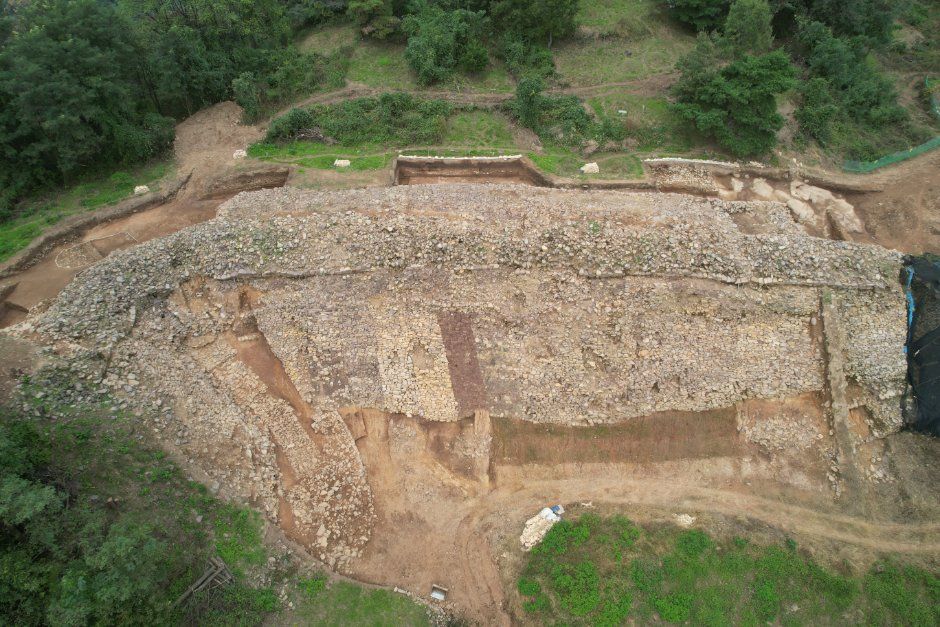
In Nogok-dong, this Three Kingdoms period mountain fortress was built in the 5th and 6th centuries along the terrain of Hamjisan. The wall is about 1,136.8 m around, a hyeonmun-style gate structure and curved walls have been confirmed, and from the summit you can see the Daegu basin. It is always open and free to enter. Parking is available.
- Hours
- Always open
- Closed days
- Open all year
- Fee
- Free
-
14
At 47-19 Seobyeon-ro 3-gil, Seobyeon-dong, this ancestral hall was built in 1659 by descendants to honor Gu Hong, a loyal subject of late Goryeo, and Gu Hoe-sin, a volunteer army leader of the Imjin War. The present building was rebuilt in 1960. A great-great-grandson lives next door in Neungseongsega, so ask permission before visiting. Parking is available.
- Hours
- Open at all times (a great-great-grandson lives in NeungseongsegaPrior understanding)
- Closed days
- Open year-round (a great-great-grandson lives in Neungseongsega / prior understanding)
- Fee
- Not listed

-
15
Eumnae-dong Rock-carved Buddha
At 169-3 Chilgokjungang-daero 129-gil, Eumnae-dong, this is a group of rock-carved Buddhas on sandstone bent like a folding screen. 1 seated Buddha is carved in relief, and more than 30 figures such as pensive bodhisattvas and 1 rock-carved pagoda are lightly carved around it. It is always open and free to view. Parking is also free.
- Hours
- Always open
- Closed days
- Open year-round
- Fee
- Free

-
16
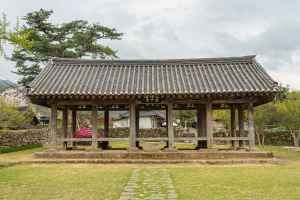
At 45-17 Hoguk-ro 51-gil, within the grounds of Seogyeseowon Confucian Academy, this pavilion was built beside the Geumho River in 1582 by the volunteer army leader Yi Ju. It was rebuilt on its present site in 1902 by his 9th-generation descendant Yi Eok-sang. The signboard is in the handwriting of Daewongun. A protected crape myrtle tree 270 years old stands here. It is always open and free to enter. Parking is also free.
- Hours
- Always open
- Closed days
- Open year-round
- Fee
- Free

-
17
Memorial Monument to Colonel Naya
In Beomeo-dong, this monument was set up on December 7 of the same year at the place where Colonel Uni Naya was cremated. During the Korean War he was the Indian delegate to the United Nations commission, and he died in a landmine accident near Waegwan on August 12, 1950. A memorial visit is held every year on Memorial Day. It is always open and free to enter. Parking is also free.
- Hours
- Always open
- Closed days
- Open all year
- Fee
- Free

-
18
In Nobyeon-dong, this altar from the Joseon period was used for rites to the gods of land and grain. It was designated a Daegu Metropolitan City monument on April 20, 2006. It is always open and free to view. Parking is available.
- Hours
- Always open
- Closed days
- Open all year
- Fee
- Free

-
19
At 241 Palhyeon-gil, Manchon-dong, this song monument stands at Gomoryeong, the setting of the song 'Bi Naerineun Gomoryeong' (Gomoryeong in the Rain), sung by Hyeon In in 1946 (music by Bak Si-chun). The story of why the monument was built is carved on its back. It is always open and free to enter. Parking is available.
- Hours
- Always open
- Closed days
- Open all year
- Fee
- Free

-
20
At 248 Palhyeon-gil, this monument was set up in 1869 after Kim Se-ho, governor of Gyeongsang Province, repaired the collapsed Daegu fortress wall. It was moved to its present spot in 1980 when Yeongnamjeilgwan was rebuilt. It is always open and free to enter. Parking is also free.
- Hours
- Always open
- Closed days
- Open all year
- Fee
- Free

-
21
At 14-23 Dalgubeol-daero 525-gil, Manchon-dong, this ancestral hall in front of a tomb honors Du Sa-chung, who fought in the Imjin War as part of the Ming reinforcements and then became a naturalized subject of Joseon. It was built from the timber of the Gyeongsan guesthouse (gaeksa), demolished in 1912, and repaired in 1966. It is always open and free to enter. Parking is available.
- Hours
- Always open
- Closed days
- Open all year
- Fee
- Free
-
22
At 248 Palhyeon-gil, this gate tower is the south gate of Daegu Eupseong Fortress, which was rebuilt in stone in 1736, and was rebuilt larger than the original on its present site in 1980. It is open 09:00–18:00 on weekdays and 10:00–18:00 on weekends in the summer season (April to November), and 09:00–18:00 on weekdays in the winter season (December to March). It is not open on weekends in the winter season. Viewing is free, and parking is available.
- Hours
- 09:00–18:00Weekends 10:00–18:00 more
- Closed days
- Open year-round
- Fee
- Free

-
23
At 248 Palhyeon-gil, Manchon-dong, this monument was set up in 1737 to commemorate rebuilding in stone the Daegu earthen fortress that was destroyed in the Imjin War. It records that the wall measured 2,124 bo around and that 78,534 people worked on the construction over 6 months. It is always open and free to enter. Parking is also free.
- Hours
- Always open
- Closed days
- Open year-round
- Fee
- Free

-
24
Igongjebi and Gunsu Ihubeomseon Yeongsebulmangbi
At 117 Sincheondong-ro, Sang-dong, these are 3 monuments inside the monument pavilion of Yiseo Park. They honor Yi Seo, the Daegu deputy magistrate who built an embankment in 1778 and diverted the course of Sincheon Stream, and Yi Beom-seon, who repaired the embankment after a flood in 1898. The Deoksu Yi clan association holds a memorial rite every year on the first full moon of the lunar year. It is always open and free to enter, but parking is not available.
- Hours
- Always open
- Closed days
- Open year-round
- Fee
- Free

-
25
Dalseong Samgaheon Historic House
In Myo-ri, Habin-myeon, this yangban house began as a thatched house built in 1769 by Seongsu, an 11th-generation descendant of Bak Paeng-nyeon, and gained its anchae and sarangchae in 1826. Lotus flowers bloom in summer in the pond in front of the detached annex Hayeopjeong. Residents live in the house, so avoid visiting at night. It is always open and free to enter, but parking is not available.
- Hours
- Always openResidents actually live here more
- Closed days
- Open all year
- Fee
- Free

-
26
Dalseong Jogilbang Historic House
At the foot of a hill in Handeom Village, Jeongdae-ri, Gachang-myeon, this thatched house was built in 1784 by the Haman Jo clan. The anchae is in the middle, with the sarangchae and the lower building arranged in a U shape. It is always open and free to enter. Parking is available.
- Hours
- Always open
- Closed days
- Open all year
- Fee
- Free

-
27
At 64 Yuksinsa-gil, Habin-myeon, this detached annex was built in 1479 by Bak Il-san, a grandson of Bak Paeng-nyeon, and rebuilt in 1614 after the Imjin War. A signboard with a Chinese poem by Yun Du-su hangs in the main hall. Yuksinsa Shrine and the Sayuksin Memorial Hall are nearby. Parking is available.
- Hours
- Not listed
- Closed days
- Not listed
- Fee
- Not listed

-
28
At 56-10 Hamokjeong-gil, Habin-myeon, this pavilion-style detached annex was built in 1604 by Yi Jong-mun, a volunteer army leader of the Imjin War. The name 'Hamokjeong' was written in person by Injo. It is always open and free to enter. Parking is available.
- Hours
- Always open
- Closed days
- Open all year
- Fee
- Free

-
29
Dalseong Hyeonpung Seokbinggo Ice House
In Sang-ri, Hyeonpung-eup, this ice storehouse was built of granite in 1730. Outside it looks like an ancient tomb, and inside four arches support the ceiling. It is always open and free to view. Parking is available.
- Hours
- Always open
- Closed days
- Open all year
- Fee
- Free

-
30
Dalseong (Hyeonpung) Sajikdan Altar
In Sang-ri, Hyeonpung-myeon, this altar was restored on its present site in 1996–1997 as the sajikdan where the town prayed for abundance, and rebuilt in 2010. A red-spiked gate (hongsalmun) stands in the middle of the four sides of the wall. It is always open and open every day of the year. Parking is free.
- Hours
- Always open
- Closed days
- Open all year
- Fee
- Not listed

-
31
Doseongam Three-story Stone Pagoda
At 180 Doseong-gil, Yuga-eup, this is the stone pagoda of Doseongam, a hermitage attached to Yugasa Temple. It is 218 cm high with a base 184 cm wide, and is regarded as a Silla period pagoda. The body stones, roof stones and finial from the 3rd story up, which were originally missing, were restored with new members by the temple around 2008. It is open 08:00–18:00 every day of the year. Parking is free.
- Hours
- 08:00–18:00
- Closed days
- Open all year
- Fee
- Not listed

-
32
In Yang-ri, Yuga-eup, this cave on the mid-slope of Biseulsan was formed by four large rocks leaning against each other. The characters 'Sahyojagul' are carved on a rock, and it is also called Sahyogul. In 2016 Dalseong-gun set up a sculpture of four sons at the entrance, and you climb by stone steps and a wooden deck. It is always open and free to enter, but parking is not available.
- Hours
- Always open
- Closed days
- Open all year
- Fee
- Free

-
33
At 25-14 Okpo-ro 57-gil, this pavilion was built by disciples to honor Sogye Seok Jaejun. It stands on a low hill across from Ogyeonji Songhae Park and is a building 3 bays wide at the front, with one ondol room on each side of the wooden-floored hall. It is a private historic site, so call 053-668-3161–4 before visiting. Admission and parking are free.
- Hours
- Private historic site more
- Closed days
- Open year-round
- Fee
- Free

-
34
At 16 Inheung 3-gil, this building stands in the middle at the front of the Bonri hereditary residence of the Nampyeong Mun clan. It has 6 bays across the front and 2 bays on the side, with a hip-and-gable roof, and is now used to receive guests and hold clan meetings. The Inheung Village area is a filming location for the drama 'Dal-ui Yeonin Bobogyeongsim Ryeo'. It is open 10:00–17:00, but inquire before visiting. Admission and parking are free.
- Hours
- 10:00–17:00 more
- Closed days
- Open year-round
- Fee
- Free

-
35
At 92 Hyeonpungdong-ro, this pavilion stood on the hill behind the Hyeonpung-eup office until it was demolished in 1989 when the office building was enlarged. It was moved and rebuilt on the present small hill in 1996–1998. It now has 3 bays across the front and 2 bays on the side, with double eaves and a hip-and-gable roof. A walking path leads to the ice storehouse and the sajikdan. It is always open. Parking is available.
- Hours
- Not listed
- Closed days
- Open year-round
- Fee
- Not listed

-
36
At 305 Okpo-ro, this monument pavilion was built in 1922 and repaired in 1979 to honor the devotion of a woman of the Jinju Gang clan, who lost her husband a month after marriage and died soon after him. The Yeolbu Jinyang Gangssi Silhaengbi monument stands in the middle, and signboards hang on the four walls. It is always open and free to enter, but parking is not available.
- Hours
- Open at all times
- Closed days
- Open year-round
- Fee
- Free

-
37
Hyeonpung Gwakssi Sibi Jeongnyeogak
At 3 Jidong-gil, this pavilion brings together 12 jeongnyeo (royal commendation) gates that the Hyeonpung Gwak clan of Solrye Village has received since 1598. Inside the building, which is 12 bays across the front, there are 2 monuments and 12 signboards, honoring 28 people who upheld the three bonds (samgang). It is always open and free to enter. Parking is available.
- Hours
- Always open
- Closed days
- Open all year
- Fee
- Free

-
38
Tomb of Honguijanggun Gwak Mang-u-dang
In Daeam-ri, Guji-eup, this is the tomb of General Gwak Jae-u (pen name Mangudang), who led the volunteer army in a red silk military uniform in the Imjin War. The general was born in Uiryeong in 1552, declined government posts and lived at Mangujeong by the Nakdong River. It is always open and free to enter. Parking is also free.
- Hours
- Always open
- Closed days
- Open year-round
- Fee
- Free

-
39
At 19 Hanbam 5-gil, Bugye-myeon, this is the house where Hong U-tae, a 10th-generation descendant of Hong No, lived in Hanbam Village, a village of the Burim Hong clan. It was also called Sangmaetaek and Ssangbaekdang, and the sarangchae was built in 1836 according to the ridgepole inscription. It runs tea ceremony, Korean food and gugak (traditional music) experiences. Opening hours and fees differ by facility. Parking is available.
- Hours
- Varies by facility, so see the website
- Closed days
- Open all year
- Fee
- Varies by facility, so see the website

-
40
At 23-3 Hanbam 5-gil, Bugye-myeon, this pavilion-shaped main hall stands in the middle of Hanbam Village. It was built in early Joseon, burned down in the Imjin War and was rebuilt in 1632 as a tiled house with 5 bays across the front, 2 bays on the side and a gable roof. It was once used as a school and is now the village senior center. It is always open, but parking is not available.
- Hours
- Always open
- Closed days
- Open all year
- Fee
- Not listed

-
41
In Hwabuk-ri, Samgugyusa-myeon, this late Joseon mountain fortress is on the summit of Hwasan, 828 m above sea level. In 1709 the military commander Yun Suk began foundation work on four gates to station troops. While wall stones were being gathered and the water gate was being raised, a bad harvest and an epidemic came, and the work was left unfinished. It is always open and free to enter, but parking is not available.
- Hours
- Always open
- Closed days
- Open year-round
- Fee
- Free

Photos: Korea Tourism Organization · KOGL Type 1, KOGL Type 3 (no changes allowed)
FAQ
What time do Daegu's old houses open?
In Jung-gu, House of Seo Sang-don is open 09:00–18:00 in the summer season and 09:00–17:30 in the winter season, and House of Yi Sang-hwa is open 10:00–17:30. Both are open every day of the year and free to enter. In Dong-gu, the hanok stay at Gyeonggeuk Historic House runs from 15:00 to 12:00 the next day. In Dalseong-gun, Dalseong Samgaheon Historic House and Dalseong Jogilbang Historic House have the opening-hours value 'always open', but avoid visiting Samgaheon at night because residents live there. In Gunwi-gun, Gunwi Namcheon Historic House has opening hours and fees that differ by facility.
Where can you see ancient tomb groups in Daegu?
Daegu Bullo-dong Ancient Tombs in Dong-gu has more than 210 Three Kingdoms period tombs, is always open and has parking. Daegu Guam-dong Ancient Tombs in Buk-gu has 379 burial mounds, is open 10:00–17:00 and closed every Monday, and has no parking. Both tomb groups have no admission fee. Tomb of Honguijanggun Gwak Mang-u-dang in Guji-eup, Dalseong-gun, which is in the same tomb category, is the tomb of one person, General Gwak Jae-u. It is always open, and parking is free.
Where can you see traces of Daegu Eupseong Fortress?
At 248 Palhyeon-gil, Suseong-gu, Yeongnamjeilgwan, which was the south gate of Daegu Eupseong Fortress, was rebuilt in 1980. On the same spot are Yeongyeongchukseongbi, which records the rebuilding of the fortress in stone in 1737, and Daegubu Suseong Monument, which records the repair of the fortress in 1869. All three are free to view and have parking.
What old buildings are in Hanbam Village in Gunwi-gun?
In Hanbam Village in Daeyul-ri, Bugye-myeon, Gunwi Namcheon Historic House and Gunwi Daeyul-ri Daecheong are about 50 m apart in a straight line. Gunwi Namcheon Historic House is the house where Hong U-tae of the Burim Hong clan lived. It runs tea ceremony, Korean food and gugak experiences and has parking. Gunwi Daeyul-ri Daecheong is a pavilion-shaped main hall rebuilt in 1632. It is always open, but parking is not available.
Source: Korea Tourism Organization TourAPI