GuidesReservoirs, ecological parks and arboretums
Where are Daegu's reservoirs, ecological parks, arboretums and wetlands?
The site lists 47 natural attractions in Daegu, such as reservoirs, ecological parks, arboretums, wetlands and recreational forests.
Dalseong-gun has 13, Dong-gu 10, Gunwi-gun 8, Buk-gu and Dalseo-gu 5 each, Nam-gu 3, Suseong-gu 2 and Jung-gu 1. 35 have the opening-hours value 'always open', and 35 list the fee as 'free'. 2 places close every Monday: Daegu Arboretum and Samunjin Picnic Area. Parking is available at 39 places, and 6 of them list parking as free. 8 places, including Banyawol Lotus Complex, Daemyeong Reservoir and Juamsan Gachang Reservoir, have no parking.
The 47 places in this guideFull list

- Hours
- [January–AprilSeptember–December] more
- Closed days
- Every Monday

- Hours
- 10:00–18:00Operates March–November more
- Closed days
- Every Monday more

- Hours
- Always open
- Closed days
- Open all year

- Hours
- Always open
- Closed days
- Open all year
- Hours
- Open at all times
- Closed days
- Open year-round

- Hours
- Always open
- Fee
- Free

- Hours
- Always open
- Closed days
- Open all year

- Hours
- Always open
- Closed days
- Open all year
- Hours
- Always open
- Closed days
- Open all year

Daegu Do-dong Cheukbaengnamu Forest
- Hours
- Always open
- Closed days
- Open all year
- Hours
- 09:30–22:00Call for details
- Closed days
- Open all year

- Hours
- 05:00–15:0004:00–16:00 more
- Closed days
- Open all year
- 35 moreSee the full list
Photos: Korea Tourism Organization · KOGL Type 1, KOGL Type 3 (no changes allowed)
Notice Sutaegol Valley: October 6, 2026 – December 26, 2026: trail section Sutaegol Valley–Cheoltap Junction closed (works, a fine for entering) · set to reopen as soon as the works end · Source: Korea National Park Service, Palgongsan National Park East Office
Notice Palgongsan National Park (Pagyesa Temple District): October 12, 2026 – December 26, 2026: trail section Pagyesa Temple–Pagyejae Pass closed (works, a fine for entering) · set to reopen as soon as the works end · Source: Korea National Park Service, Palgongsan National Park East Office
Notice Palgongsan National Park: October 12, 2026 – January 5, 2027: trail section Haneul Garden–Birobong Peak closed (works, a fine for entering) · still open: Dongsan Parking Lot–Odoam Hermitage–Haneul Garden, Haneul Garden Visitor Support Center–Haneul Garden · set to reopen as soon as the works end · Source: Korea National Park Service, Palgongsan National Park East Office
35 of the 47 are always open, and 2 close every Monday: Daegu Arboretum and Samunjin Picnic Area
- In the Korea Tourism Organization classification, 47 places on this site are natural attractions (mountains, valleys, streams, reservoirs, wetlands, rocks, trees, parks, recreational forests, arboretums and gardens).
- 35 of them have the opening-hours value 'always open'.
- 12 list opening hours.
- Daegu Arboretum is open 09:00–18:00 from January to April and from September to December, and 08:00–19:00 from May to August. It is closed every Monday.
- Samunjin Picnic Area in Dalseong-gun is open 10:00–18:00 from March to November. It is closed every Monday (the next day if Monday is a public holiday) and from December to February.
- Daehan Arboretum is open 09:30–22:00 every day of the year.
- Daegu Apsan Park is open 10:00–19:00 in the summer season and 10:00–18:00 in the winter season.
- The spring flower complex of Daegu Hajungdo Island (Geumho Kkotseom) is open 09:00–18:00 on weekdays and 09:00–19:00 on weekends.
- Sutaegol Valley can be entered 05:00–15:00 in the winter season (November to March) and 04:00–16:00 in the summer season (April to October).
- Entry may be restricted during the forest fire prevention period and depending on the weather.
- Palgongsan Haneul Garden in Gunwi-gun is open 04:00–16:00 from April to October and 05:00–15:00 from November to March.
- 2 places are closed every Tuesday: Biseulsan Recreational Forest (09:00–22:00) and Hwawon Recreational Forest (09:00–18:00).
- In Gunwi-gun, Gunwi Janggok Recreational Forest is open 09:00–18:00, Gunwi Hangari Guseul Garden 10:00–21:00 and Sayuwon 09:00–18:00 (last entry 15:00).
- 43 places are also open on Monday.

- Hours
- Summer season 10:00–19:00Winter season 10:00–18:00
- Closed days
- Open all year

Daegu Hajungdo Island (Geumho Kkotseom)
- Hours
- 09:00–18:00Weekends 09:00–19:00 more
- Closed days
- Open all year

- Hours
- 04:00–16:0005:00–15:00 more
- Closed days
- Open all year

- Hours
- 09:00–22:00
- Closed days
- Every Tuesday

- Hours
- 09:00–18:00 more
- Closed days
- Every Tuesday

Gunwi Janggok Recreational Forest
- Hours
- Forest 09:00–18:00Lodging 14:00–11:00 the next day
- Closed days
- Open all year
- Hours
- 10:00–21:00
- Closed days
- Open all year
- Hours
- 09:00–18:00 (last entry 15:00)
- Closed days
- Day of Seollal and Chuseok
Photos: Korea Tourism Organization · KOGL Type 3 (no changes allowed), KOGL Type 1
- Daegu ArboretumHours [January–April
- Samunjin Picnic AreaHours 10:00–18:00
- Daehan ArboretumHours 09:30–22:00
- Sutaegol ValleyHours 05:00–15:00
35 places are free, and 5 list fees
- 35 places have the fee value 'free'.
- The 5 that list fees are 3 in Gunwi-gun and 2 in Dalseong-gun.
- At Sayuwon in Gunwi-gun, general admission on weekdays is 50,000 won and teenagers pay 45,000 won.
- On weekends and public holidays, general admission is 69,000 won and teenagers pay 62,000 won.
- Gunwi Hangari Guseul Garden charges 5,000 won for adults and teenagers and 3,000 won for elementary school students, and preschool children are free.
- Gunwi Janggok Recreational Forest charges individuals 1,000 won for adults, 700 won for teenagers and soldiers, and 500 won for children.
- At Samunjin Picnic Area in Dalseong-gun, a large pyeongsang (wooden platform) costs 15,000 won and a small one 10,000 won, paid on the day.
- At Hwawon Recreational Forest, lodging costs 100,000 won–200,000 won for a forest cabin and 60,000 won–240,000 won for the forest culture lodge.
- Sayuwon
- Gunwi Hangari Guseul GardenHours 10:00–21:00
- Gunwi Janggok Recreational ForestClosed days Open all year
- Samunjin Picnic AreaHours 10:00–18:00
- Hwawon Recreational ForestHours 09:00–18:00
Parking is available at 39 places, and 8 have no parking
- 39 places have the parking value 'available'.
- Of these, 6 list parking as free: Palgongsan National Park (Pagyesa Temple District), Gosangol Metasequoia Road, Daegu Apsan Park, Gugu-dong Taengjanamu, Chimsan Park and Jinbatgol Forest Park.
- For Gosangol Metasequoia Road, the Dinosaur Park listing at the same address gives 2,000 won a day, so call 053-664-2782 before visiting.
- Parking at Gunwi Janggok Recreational Forest costs 3,000 won.
- 8 places have no parking: Banyawol Lotus Complex, Daebong Reservoir, Donamji Pond, Palhyeon Ecological Park, Daemyeong Reservoir, Gyohang-ri Ipamnamu Grove, Nongong Flower Complex and Juamsan Gachang Reservoir.

Palgongsan National Park (Pagyesa Temple District)
- Hours
- Always open
- Closed days
- Open all year

- Hours
- Always open
- Closed days
- Open all year

- Hours
- Always open
- Closed days
- Open all year

- Hours
- Open at all times
- Closed days
- Open year-round

- Hours
- Open at all times
- Closed days
- Open year-round

- Hours
- Always open
- Closed days
- Open all year

- Hours
- Always open
- Closed days
- Open all year
- Hours
- Always open
- Closed days
- Open all year
- Hours
- Always open
- Closed days
- Open all year

- Hours
- Always open
- Closed days
- Open all year
Photos: Korea Tourism Organization · KOGL Type 3 (no changes allowed), KOGL Type 1
- Daegu Apsan ParkClosed days Open all year
- Gunwi Janggok Recreational ForestClosed days Open all year
- Banyawol Lotus ComplexHours Always open
- Daemyeong ReservoirHours Always open
- Juamsan Gachang ReservoirClosed days Open year-round
Waterside: reservoirs, ponds, streams, wetlands, valleys and lotus ecological parks
- The Korea Tourism Organization classification has 6 reservoirs. They are Dansan Reservoir (Dong-gu), a reservoir 3.9 km around inside Bongmu Park, and Donamji Pond (Buk-gu), which anglers visit. They also include Daemyeong Reservoir (Dalseo-gu), a habitat of the narrow-mouthed toad, and Dalchang Reservoir (Dalseong-gun), which spans Dalseong-gun and Changnyeong-gun.
- The fifth is Juamsan Gachang Reservoir (Dalseong-gun), where fishing is not allowed because it is a water source protection area.
- Daebong Reservoir in Nam-gu is a water distribution facility built in 1918.
- Others are Seongdangmot Pond (Dalseo-gu), which has the walking path Duri-gil, and Sincheon (Jung-gu), a 12.5 km stream that crosses the city center. There are also Daegu Hajungdo Island (Geumho Kkotseom) (Buk-gu), an island in the middle of the river made into flower fields, and Daegu Dalseong Wetland (Dalseong-gun), where four waterways meet.
- Seoriji Waterside Ecological Park (Buk-gu) has a 2 km loop path.
- Changpyeongji Eco-friendly Ecological Park (Gunwi-gun) has a 1.8 km wooden deck trail around a reservoir.
- Dongsan Valley in Gunwi-gun has a 4 km stream flowing through the primeval forest of Palgongsan.
- Haksodae is a rock cliff across from Ingaksa Temple, with Wicheon Stream flowing below it.
- You see summer lotus flowers at Banyawol Lotus Complex and Jeomsaeneup Lotus Ecological Park, 2 places with lotus in their names (Daerim-dong, Dong-gu), and at Nabulji Ecological Park (Gaksan-dong, Dong-gu).

- Hours
- Always open
- Closed days
- Open all year

- Hours
- Open at all times
- Closed days
- Open year-round

- Hours
- Always open
- Closed days
- Open all year

Seoriji Waterside Ecological Park
- Hours
- Open at all times
- Closed days
- Open year-round

Changpyeongji Eco-friendly Ecological Park
- Hours
- Open at all times
- Closed days
- Open year-round

- Hours
- Always open
- Closed days
- Open all year

- Hours
- Always open
- Closed days
- Open all year

Jeomsaeneup Lotus Ecological Park
- Hours
- Open at all times
- Closed days
- Open year-round
Photos: Korea Tourism Organization · KOGL Type 1, KOGL Type 3 (no changes allowed)
- Dansan ReservoirHours Always open
- Donamji PondHours Always open
- Daemyeong ReservoirHours Always open
- Juamsan Gachang ReservoirClosed days Open year-round
- Daebong ReservoirHours Always open
- Daegu Hajungdo Island (Geumho Kkotseom)Hours 09:00–18:00
- Banyawol Lotus ComplexHours Always open
- Nabulji Ecological ParkHours Always open
Arboretums, forests, recreational forests and old trees
- The classification has 5 arboretums and forests. They are Daegu Arboretum (Dalseo-gu), which was converted from a landfill, and Daehan Arboretum (Dong-gu), where trees have been planted since 1991. They also include Daegu Do-dong Cheukbaengnamu Forest (Dong-gu), where arborvitae trees grow on a rock cliff, and Gosangol Metasequoia Road (Nam-gu) at the entrance to Apsan.
- The fifth is Daegu Secheon Swamp Theme Garden (Dalseong-gun), which has gardens themed on fairy tales.
- Jinbatgol Forest Park in Suseong-gu has a Meditation Forest, a chrysanthemum area and an azalea colony along a loop path.
- The recreational forests and forest bathing areas are Macheonsan Forest Bathing Area, Biseulsan Recreational Forest and Hwawon Recreational Forest in Dalseong-gun and Gunwi Janggok Recreational Forest in Gunwi-gun.
- Biseulsan Recreational Forest and Hwawon Recreational Forest have forest cabins, and Gunwi Janggok Recreational Forest has lodging.
- The old trees are the mogamju trees about 350 years old at Naegok Mogamju Tree Colony (Dong-gu), the taengja trees nearly 400 years old at Gugu-dong Taengjanamu (Buk-gu) and the 45 ipam trees at Gyohang-ri Ipamnamu Grove (Dalseong-gun).

Daegu Secheon Swamp Theme Garden
- Hours
- Always open
- Closed days
- Open all year

Macheonsan Forest Bathing Area
- Hours
- Always open
- Closed days
- Open all year
Photos: Korea Tourism Organization · KOGL Type 1, KOGL Type 3 (no changes allowed)
- Daegu ArboretumHours [January–April
- Daehan ArboretumHours 09:30–22:00
- Daegu Do-dong Cheukbaengnamu ForestHours Always open
- Gosangol Metasequoia RoadHours Always open
- Jinbatgol Forest ParkClosed days Open year-round
- Biseulsan Recreational ForestHours 09:00–22:00
- Hwawon Recreational ForestHours 09:00–18:00
- Gunwi Janggok Recreational ForestClosed days Open all year
- Naegok Mogamju Tree ColonyHours Always open
- Gugu-dong TaengjanamuHours Always open
- Gyohang-ri Ipamnamu GroveHours Always open
Mountains, observation parks, seasonal flower fields and gardens
- Palgongsan National Park is listed as 3 places: the Donghwasa Temple District and the Pagyesa Temple District in Dong-gu, and the Gunwi-gun area.
- The valley of Sutaegol Valley between the two Dong-gu districts has a trail to Sutaegol Waterfall.
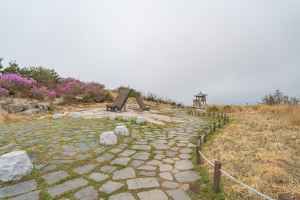
- Palgongsan Haneul Garden in Gunwi-gun is a 3,750 m² nature study area near the top of Palgongsan.
- From its pavilion and observatory you see the Cheongundae cliff.
- Biseulsan County Park in Dalseong-gun covers Biseulsan, centered on Cheonwangbong Peak, 1,084 m above sea level.
- On Choejeongsan Mountain (905 m above sea level), a high flat surface 2 km long runs from the main peak to Tongjeomnyeong Pass.
- Waryongsan Mountain in Dalseo-gu looks down on the city from the Sangnibong observatory, and Haksan Park (Dalseo-gu) gives views of the sunrise and sunset from its observatory.
- Daegu Apsan Park in Nam-gu reaches the Apsan observatory by cable car, and Chimsan Park in Buk-gu has an observatory and Chimsanjeong Pavilion.
- The seasonal flower fields are Nongong Flower Complex (Dalseong-gun), with cornflowers and poppies in spring and pink muhly in fall; Palhyeon Ecological Park (Suseong-gu), with rapeseed flowers in May; and Dalchangji Beotkkot-gil Street (Dalseong-gun), with cherry blossoms in April.
- Daegu Secheon Swamp Theme Garden (Dalseong-gun) has tulips and pink muhly.
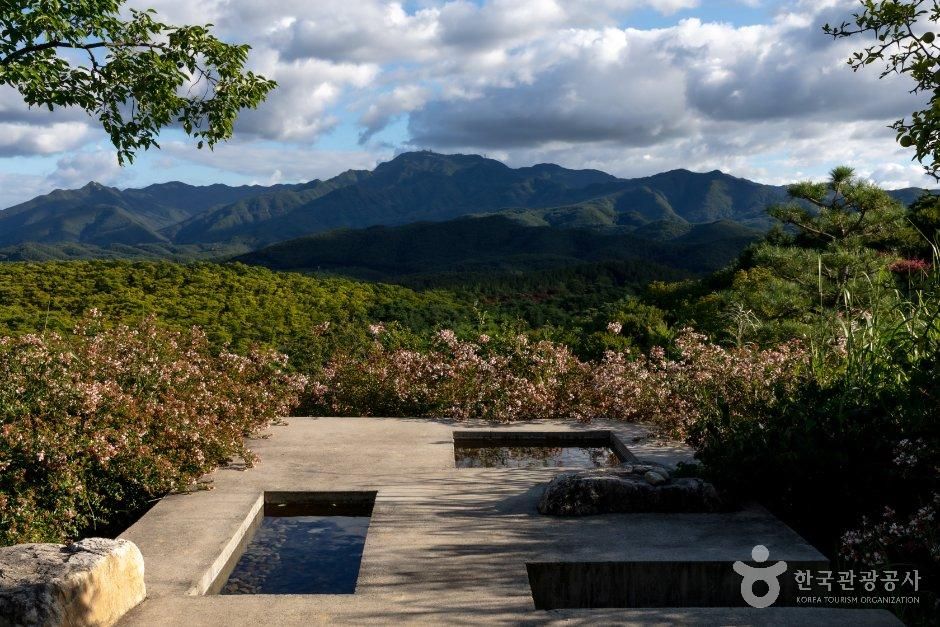
- Sayuwon in Gunwi-gun is a garden that architects and landscape designers helped create.
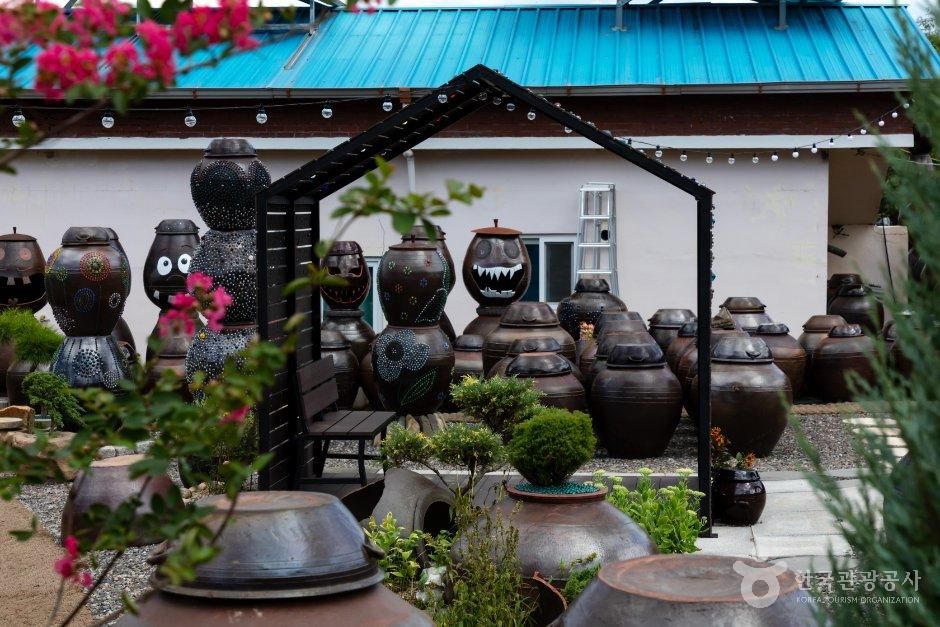
- Gunwi Hangari Guseul Garden is an outdoor garden with jar works decorated with beads placed among the bushes.
- Samunjin Picnic Area in Dalseong-gun is a day picnic area with a lawn and a playground.
- Hours
- Always open more
- Closed days
- Entry may be restricted depending on weather conditions

- Hours
- Always open
- Closed days
- Open all year

- Hours
- Open at all times
- Closed days
- Open year-round

- Hours
- Always open
- Closed days
- Open year-round

- Hours
- Always open
- Closed days
- Open all year

Dalchangji Beotkkot-gil Street
- Hours
- Always open
- Closed days
- Open all year
Photos: Korea Tourism Organization · KOGL Type 1, KOGL Type 3 (no changes allowed)
- Sutaegol ValleyHours 05:00–15:00
- Palgongsan Haneul GardenHours 04:00–16:00
- Daegu Apsan ParkClosed days Open all year
- Chimsan ParkClosed days Open year-round
- Nongong Flower ComplexHours Always open
- Palhyeon Ecological ParkHours Always open
- Daegu Secheon Swamp Theme GardenHours Always open
- Sayuwon
- Gunwi Hangari Guseul GardenHours 10:00–21:00
- Samunjin Picnic AreaHours 10:00–18:00
Dalseong-gun has 13 and Gunwi-gun 8, and there are none in Seo-gu
- The 13 in Dalseong-gun are spread over the following towns.
- Dasa-eup has Daegu Secheon Swamp Theme Garden and Macheonsan Forest Bathing Area.
- Hwawon-eup has Daegu Dalseong Wetland, Samunjin Picnic Area and Hwawon Recreational Forest.
- Yuga-eup has Dalchang Reservoir, Dalchangji Beotkkot-gil Street, Biseulsan County Park and Biseulsan Recreational Forest.
- Gachang-myeon has Juamsan Gachang Reservoir and Choejeongsan Mountain.
- Okpo-eup has Gyohang-ri Ipamnamu Grove, and Nongong-eup has Nongong Flower Complex.
- Of the 8 in Gunwi-gun, 5 are in Bugye-myeon: Dongsan Valley, Sayuwon, Changpyeongji Eco-friendly Ecological Park, Palgongsan National Park and Palgongsan Haneul Garden.
- Gunwi Janggok Recreational Forest is in Goro-myeon, Gunwi Hangari Guseul Garden is in Ubo-myeon, and Haksodae is in Samgugyusa-myeon.
- Seo-gu has no places in this classification.
- Daegu Secheon Swamp Theme GardenHours Always open
- Macheonsan Forest Bathing AreaHours Always open
- Daegu Dalseong WetlandHours Always open
- Samunjin Picnic AreaHours 10:00–18:00
- Hwawon Recreational ForestHours 09:00–18:00
- Dalchang ReservoirHours Always open
- Dalchangji Beotkkot-gil StreetHours Always open
- Biseulsan County ParkHours Always open
- Biseulsan Recreational ForestHours 09:00–22:00
- Juamsan Gachang ReservoirClosed days Open year-round
- Choejeongsan MountainClosed days Open year-round
- Gyohang-ri Ipamnamu GroveHours Always open
- Nongong Flower ComplexHours Always open
- Dongsan ValleyHours Always open
- Sayuwon
- Changpyeongji Eco-friendly Ecological ParkClosed days Open year-round
- Palgongsan National ParkHours Always open
- Palgongsan Haneul GardenHours 04:00–16:00
- Gunwi Janggok Recreational ForestClosed days Open all year
- Gunwi Hangari Guseul GardenHours 10:00–21:00
- HaksodaeHours Always open
The 47 places in this guide
-
1
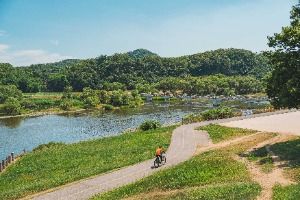
This 12.5 km stream flows from Biseulsan and Choejeongsan across the city center into the Geumho River. 13 bridges cross it, and a walking path and a bike path run along the water. A water play area opens in summer and a skating rink in winter. It is always open, free to use, and has parking.
- Hours
- Always open
- Closed days
- Not listed
- Fee
- Free

-
2
In Gaksan-dong, this ecological park was made from Nabulji, the pond where the Choryebong Peak hiking trail of Palgongsan ends, as a mix of wetland, grassland and forest. Lotus flowers bloom in summer, and there is a pavilion in the middle of the water. Landscape lighting is on at night. It is always open and free to enter. Parking is available.
- Hours
- Always open
- Closed days
- Open all year
- Fee
- Free

-
3
In Naegok-dong, this grove has 4 mogamju trees about 350 years old, with about 100 young trees (5 to 10 years old) growing beside them. Yellow flowers bloom in June and July, and fruit that looks like kkwari (Chinese lantern) pods ripens in October. It is always open and free to enter. Parking is available.
- Hours
- Always open
- Closed days
- Open all year
- Fee
- Free

-
4
This reservoir, 3.9 km around, is inside Bongmu Park (66 Palgong-ro 50-gil). Except for the embankment, the loop path runs through the forest, and Palgongsan Olle 6-gil passes by. The shore has a campground, an outdoor performance stage and the Butterfly Ecology Learning Center. It is always open and free to enter. Parking is available.
- Hours
- Always open
- Closed days
- Open all year
- Fee
- Free

-
5
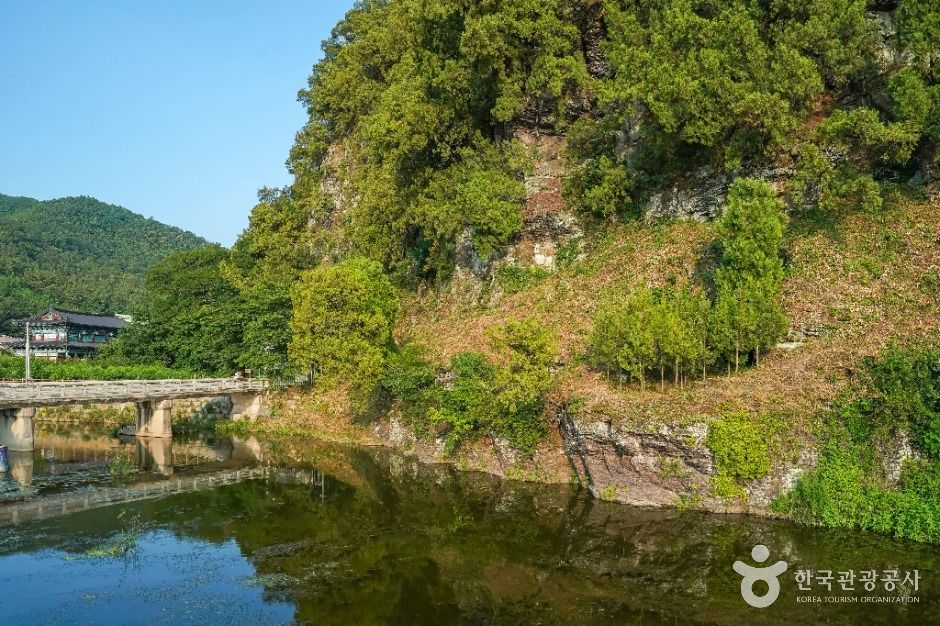
Daegu Do-dong Cheukbaengnamu Forest
In Hyangsan, Do-dong, this forest of arborvitae (cheukbaek) trees clings to a rock cliff 60 m long and 10 m high. It was Natural Monument No. 1 before the designation numbers were abolished, and a 2016 survey counted 1,423 trees. Gwaneumsa Temple stands beside the cliff. It is always open and free to enter. Parking is available.
- Hours
- Always open
- Closed days
- Open all year
- Fee
- Free
-
6
At 446-42 Pagye-ro, this arboretum has grown by planting one tree every day since 1991. About 1,700 kinds of trees and flowers grow here, and it also has an exhibition hall, a restaurant and a cafe. It is open 09:30–22:00 every day of the year. Admission is free, and parking is available.
- Hours
- 09:30–22:00Call for details
- Closed days
- Open all year
- Fee
- Free

-
7
In Daerim-dong beside the Geumho River, this is a lotus cultivation complex. You see lotus flowers in July and August along about 13 km of paths on 4 loop trail courses: Ganamji, Jeomsaeneup, Ansim Wetland and Cheoncheon. Outside the paths and observatories is farmland where lotus is grown. It is always open and free to enter, but parking is not available.
- Hours
- Always open
- Closed days
- Open all year
- Fee
- Free
-
8
In Dohak-dong, this valley lies inside Palgongsan National Park between Donghwasa Temple and Buinsa Temple (Daegu). The waterfall is about 2.3 km from the Sutaegol parking lot (about 65 minutes on foot), and the route connects to Daegu Olle Course 8. You can enter 05:00–15:00 in the winter season (November to March) and 04:00–16:00 in the summer season (April to October). Entry may be restricted during the forest fire prevention period and depending on the weather.
- Hours
- 05:00–15:0004:00–16:00 more
- Closed days
- Open all year
- Fee
- Not listed

-
9
Jeomsaeneup Lotus Ecological Park
In Daerim-dong, this ecological park was made from a swamp near Banyawol Lotus Complex. You see lotus flowers along a deck path, and landscape lighting comes on at night. It is always open and free to enter. Parking is available.
- Hours
- Open at all times
- Closed days
- Open year-round
- Fee
- Free
-
10
Palgongsan National Park (Donghwasa Temple District)
At 1 Donghwasa 1-gil, this is the facility district of Palgongsan centered on Donghwasa Temple. The Palgongsan Cable Car, the Bangjja Yugi Museum, Daegu Citizen Safety Theme Park and Donghwa Campground are inside it. Birobong, the main peak of Palgongsan, is 1,192 m above sea level. It is always open (restricted depending on the weather) and free to enter. Parking is available.
- Hours
- Always openHowever more
- Closed days
- Open all year
- Fee
- Free

-
11
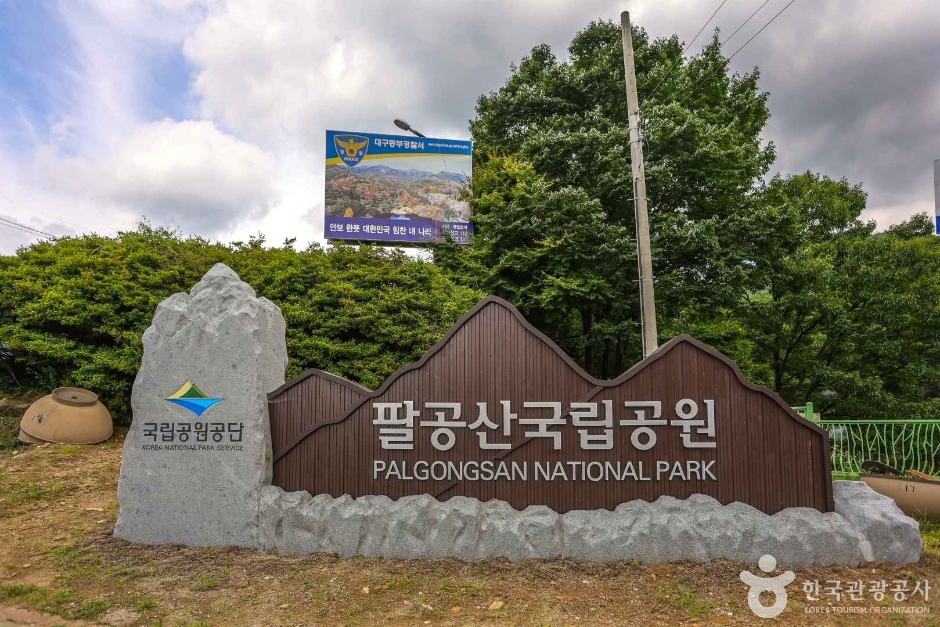
Palgongsan National Park (Pagyesa Temple District)
At 741 Pagye-ro, Jungdae-dong, this district centers on Pagyesa Temple on the south side of Pagyejae Pass on the western foot of Palgongsan. Sutaegol Valley and Pagye Campground are nearby. Pagyesa Temple was the royal family's prayer temple in Yeongjo's time and keeps Yeongjo's dopo (a traditional overcoat). It is always open and free to enter. Parking is also free.
- Hours
- Always open
- Closed days
- Open all year
- Fee
- Free
-
12
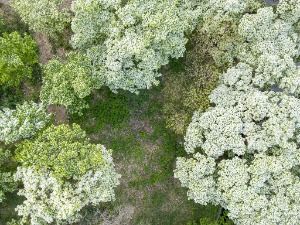
At 43 Yongdu 2-gil, this metasequoia forest path was made by Nam-gu at Gosangol, the entrance to Apsan Park, which 3.5 million people visit every year. A barefoot walking path and Dinosaur Park are nearby. It is always open and free to enter. Its parking fee is listed as free, but the Dinosaur Park listing at the same address gives 2,000 won a day, so call 053-664-2782 before visiting.
- Hours
- Always open
- Closed days
- Open all year
- Fee
- Free

-
13
At 574-87 Apsansunhwan-ro, this urban nature park of 5.08 million pyeong spreads across Apsan (660 m above sea level) and the northern valleys of Sanseongsan and Daedeoksan. A cable car (790 m in total length) climbs to the Apsan observatory near the summit. The opening-hours value is 10:00–19:00 in the summer season and 10:00–18:00 in the winter season, and it is open every day of the year. Admission and parking are free.
- Hours
- Summer season 10:00–19:00Winter season 10:00–18:00
- Closed days
- Open all year
- Fee
- Free

-
14
In Icheon-dong at the foot of Sudosan, this water distribution facility is inside the Waterworks Business Headquarters. Reservoir No. 1 was built in 1918 and No. 2 in 1925, and it was designated a National Registered Cultural Heritage on June 19, 2006. The wall of cylindrical Reservoir No. 1, 24 m in diameter, has 11 round windows. It is always open, but parking is not available.
- Hours
- Always open
- Closed days
- Open all year
- Fee
- Not listed

-
15
At 45-7 Donam-gil, this is a group of three taengja (trifoliate orange) trees, nearly 400 years old, that grow in the back yard of a house. Daegu Metropolitan City designated them a monument in 1992. The tree on the western hill has a trunk base circumference of 1.7 m. It is always open and free to view. Parking is also free.
- Hours
- Always open
- Closed days
- Open all year
- Fee
- Free

-
16
Daegu Hajungdo Island (Geumho Kkotseom)
In Nogok-dong, this island in the middle of the river between Paldal Bridge and Nogok Bridge was turned into flower fields. Rapeseed flowers and barley fill it in spring, and cosmos and buckwheat in fall. It is No. 1 of the 8 Views of Buk-gu. The spring flower complex is open 09:00–18:00 on weekdays and 09:00–19:00 on weekends, and may be closed in heavy rain. Admission is free, and parking is available.
- Hours
- 09:00–18:00Weekends 09:00–19:00 more
- Closed days
- Open all year
- Fee
- Free

-
17
In Donam-dong, this small reservoir attracts people who fish for bass with lures, and you can also see tadpoles at the water's edge. It is always open and open every day of the year, but parking is not available.
- Hours
- Always open
- Closed days
- Open all year
- Fee
- Not listed

-
18
Seoriji Waterside Ecological Park
At lot 73 in Dongho-dong, this park has a 2 km loop path around Seoriji Pond planted with 35,000 trees (52 species) and 110,000 clumps of flowering plants such as water silver grass (31 species). It has a rock garden, a gardening experience area, a children's playground and an octagonal pavilion. It is always open and free to enter. Parking is available.
- Hours
- Open at all times
- Closed days
- Open year-round
- Fee
- Free

-
19
In Chimsan-dong, this park is No. 8 of the 8 Views of Buk-gu. It has Chimsanjeong Pavilion, the setting of 'Chimsan Manjo', the Chinese-character poem in which Seo Geo-jeong praised the sunset over Chimsan, and an observatory overlooks the city. It also has an artificial waterfall, an outdoor stage, a water play area and a barefoot walking path. It is always open and free to enter. Parking is also free.
- Hours
- Open at all times
- Closed days
- Open year-round
- Fee
- Free
-
20
At 413 Jinbat-gil, Beommul-dong, this forest park has a loop path through themed forests such as the Meditation Forest, a chrysanthemum area and an azalea colony. It is planted with 50 mountain cherry trees, 70 cornelian cherry trees and 7,000 wildflower plants of 13 species. It has forest bathing platforms, pavilions and an outdoor stage. Admission and parking are free.
- Hours
- Open at all times
- Closed days
- Open year-round
- Fee
- Free

-
21
At 88-46 Palhyeon-gil, this ecological park lets you walk or cycle along the Geumho River. Rapeseed flowers cover the park in May, and chrysanthemums bloom in fall. A daljip burning (a moon-house bonfire) has been held on the first full moon of the lunar year for more than 20 years. There is no fee, but parking is not available.
- Hours
- Always open
- Closed days
- Open all year
- Fee
- Free

-
22
At 342 Hwaam-ro, Daegok-dong, this arboretum opened in May 2002 on a landfill that had buried 4.1 million tons of household waste. You see more than 1,750 kinds of plants in 21 outdoor areas, and cacti, bonsai and viewing stones are also displayed. It is open 09:00–18:00 from January to April and from September to December, and 08:00–19:00 from May to August. It is closed every Monday. Admission is free, and parking is available.
- Hours
- [January–AprilSeptember–December] more
- Closed days
- Every Monday
- Fee
- Free

-
23
In Daecheon-dong, this retention reservoir of about 258,000 m² was made in 1992 to prevent flooding of the Seongseo Industrial Complex. It was confirmed in 2011 as a habitat of the narrow-mouthed toad, a Class II endangered species. It has a viewing deck and an ecological trail, and silver grass and reeds spread out in fall. It is always open and free to enter, but parking is not available.
- Hours
- Always open
- Closed days
- Open all year
- Fee
- Free

-
24
At 216 Gongwonsunhwan-ro, Seongdang-dong, this pond began in the middle of the Joseon period, when the state dug a pond on the house site of a minister (panseo) surnamed Chae so that a house could not be built there. A walking path called Duri-gil runs around it. It is always open and open every day of the year. Parking is available.
- Hours
- Open at all times
- Closed days
- Open year-round
- Fee
- Not listed

-
25
You climb this mountain, which spans Seo-gu, Dalseo-gu and Dalseong-gun, from the trailhead at 66 Seonwon-ro 33an-gil, Igok-dong. From the Sangnibong observatory, which has a helipad, you can see the Geumho River, Apsan and the city, and a sunrise event is held every year. It is always open and free to enter. Parking is available.
- Hours
- Always open
- Closed days
- Open year-round
- Fee
- Free

-
26
In Wolseong-dong, you see the sunrise and sunset from the observatory of this park. The shortest route starts at the public parking lot and passes the fountain with a crane sculpture and the multipurpose field. From the field to the observatory takes about 15 minutes. It is always open and open every day of the year. Parking is available.
- Hours
- Always open
- Closed days
- Open all year
- Fee
- Not listed

-
27
In Secheong Forest, about 100 m from Gyohang-ri village in Okpo-eup, 45 ipam (fringe) trees more than 300 years old grow in a group, and white flowers bloom in May, early in the month. The village holds a dangsanje ritual on Chilseok, the seventh day of the seventh lunar month. It is always open and free to enter, but parking is not available.
- Hours
- Always open
- Closed days
- Open all year
- Fee
- Free

-
28
At 194 Nam-ri, Nongong-eup, this flower field is planted with seasonal flowers. Cornflowers and poppies bloom in spring, and sunflowers, cosmos, yellow cosmos and pink muhly bloom in fall. The flowers planted change every year. It is always open with no admission fee, but parking is not available.
- Hours
- Always open
- Closed days
- Open all year
- Fee
- Free

-
29
This reservoir spans Bonmal-ri in Yuga-eup and Seongsan-myeon in Changnyeong-gun, South Gyeongsang. Its name joins the first syllables, 'Dal' and 'Chang', of the two counties. Cherry blossoms bloom around it in April. A wooden deck walking path runs along the water. It is always open and free to enter. Parking is available.
- Hours
- Always open
- Closed days
- Open all year
- Fee
- Free

-
30
Dalchangji Beotkkot-gil Street
This cherry blossom road of about 5 km round trip runs between Hanjeong-ri village in Yuga-eup and Dalchang Reservoir, with cafes along the road. It is always open and free to enter. Parking is available.
- Hours
- Always open
- Closed days
- Open all year
- Fee
- Free

-
31
In Gura-ri, Hwawon-eup, this 2 million m² inland wetland lies where the Nakdong River, Geumho River, Jincheoncheon Stream and Daemyeongcheon Stream meet. It became a wetland protected area and a wild flora and fauna protection area in 2007. Mustard flowers bloom in spring, calliopsis in summer, and silver grass and reeds in fall, and migratory birds arrive in winter. It is always open and free to enter. Parking is available.
- Hours
- Always open
- Closed days
- Open all year
- Fee
- Free

-
32
Daegu Secheon Swamp Theme Garden
In Secheon-ri, Dasa-eup, this garden was made from 2022 by Dalseong-gun on unused public vacant land. It has theme gardens based on fairy tales such as Snow White and The Little Prince, and a Korea Forest Service outdoor garden for everyday life. Tulips and pink muhly bloom in season. It is always open and free to enter. Parking is available.
- Hours
- Always open
- Closed days
- Open all year
- Fee
- Free

-
33
Macheonsan Forest Bathing Area
In Icheon-ri, Dasa-eup, this area is set up for forest bathing along a forest path that spans Macheonsan and Seongsan. It has an observatory, an exercise area, forest rest shelters and forest interpretation signs, and more than 20 kinds of wildflowers grow in the wildflower ecology garden. It is always open, free to use, and has parking.
- Hours
- Always open
- Closed days
- Open all year
- Fee
- Free

-
34
In Gatae-ri, Yuga-eup, this area covers Biseulsan, which runs from Cheonwangbong Peak (1,084 m above sea level) to Johwabong Peak (1,058 m) and Gwangibong Peak (989 m). It is included in the Korea Forest Service's 100 Great Mountains. Daegyeonsa Temple, Yugasa Temple and Biseulsan Recreational Forest are on this mountain. You see spring azaleas, fall foliage and silver grass, and an ice garden in winter. It is always open and free to enter. Parking is available.
- Hours
- Always open
- Closed days
- Open all year
- Fee
- Free

-
35
At 99 Iryeonseonsa-gil (management office), this recreational forest inside Biseulsan has forest cabins, an auto campground, a campground, a water play area and a forest healing center. A walking path called Tapseok-ro, scattered with natural stones, runs through it. It is open 09:00–22:00 and closed every Tuesday. Admission is free, and parking is available.
- Hours
- 09:00–22:00
- Closed days
- Every Tuesday
- Fee
- Free

-
36
In Seongsan-ri, Hwawon-eup, this is a day picnic area in the forest with a lawn and a playground. Camping and cooking are not allowed. It is open 10:00–18:00 from March to November. It is closed every Monday (the next day if Monday is a public holiday) and from December to February. A pyeongsang (wooden platform) costs 15,000 won for the large size and 10,000 won for the small size. Parking is available.
- Hours
- 10:00–18:00Operates March–November more
- Closed days
- Every Monday more
- Fee
- Pyeongsang (large) 15,000 won more

-
37
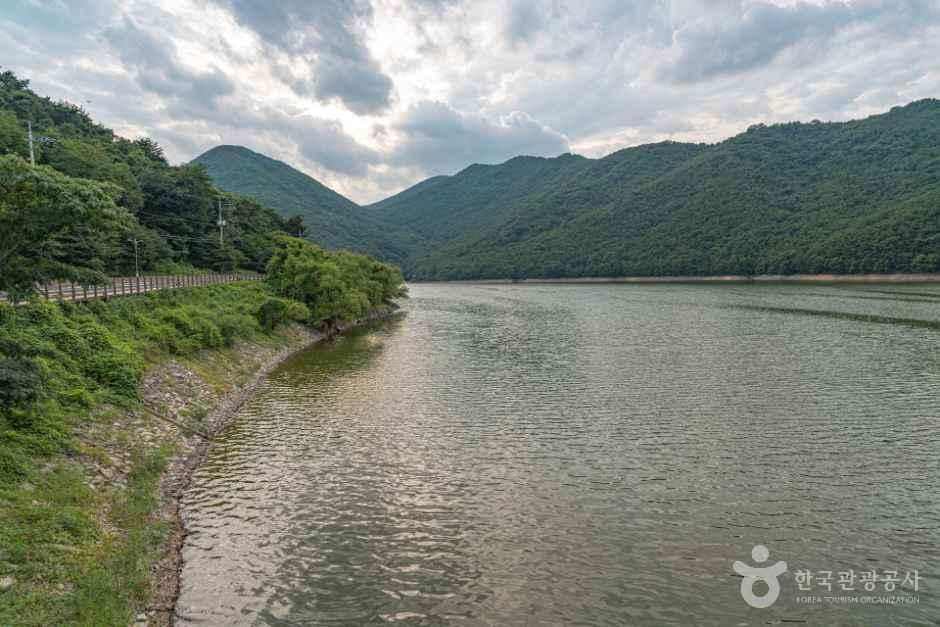
In Yonggye-ri, Gachang-myeon, this reservoir supplies drinking water and agricultural water and is a water source protection area, so fishing is not allowed. A wooden deck loop path and a forest path on Gachangdam-gil follow the water's edge to the village, and from Juamsan you can see the whole reservoir. It is always open, but parking is not available.
- Hours
- Open at all times
- Closed days
- Open year-round
- Fee
- Not listed
-
38
Around Juri 2-gil, Gachang-myeon, this peak is 905 m above sea level and the highest in the Choejeong massif. A high flat surface 300 m wide and 2 km long spreads between the main peak and Tongjeomnyeong Pass. It has silver grass and wild rose colonies, and the gentle slope can be reached by road. It is always open and free to enter. Parking is available.
- Hours
- Open at all times
- Closed days
- Open year-round
- Fee
- Free

-
39
At 126 Hwawonhyuyangnim-gil, this recreational forest has forest cabins (100,000 won–200,000 won) and a forest culture lodge (60,000 won–240,000 won) as lodging. It has a forest bathing area, a toddler forest experience area, a viewing deck, a foot volleyball court and a picnic area. Charcoal fires cannot be used, and there is no water play facility. It operates 09:00–18:00 (room check-in is after 15:00) and is closed every Tuesday. Parking is available.
- Hours
- 09:00–18:00 more
- Closed days
- Every Tuesday
- Fee
- 100,000 won–200,000 wonForest cabins more

-
40
Gunwi Janggok Recreational Forest
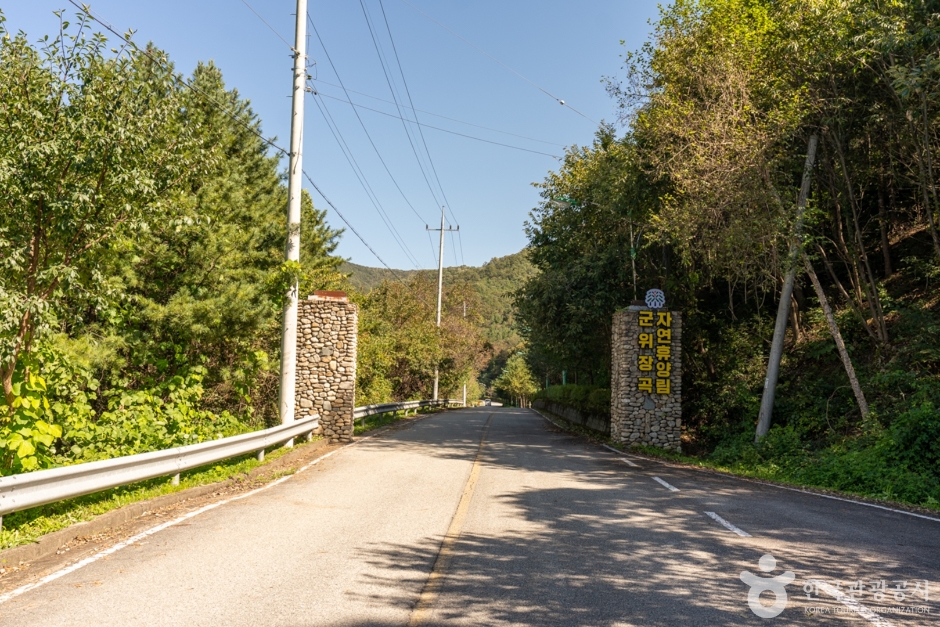
At 195 Janggokhyuyangnim-gil, Goro-myeon, this recreational forest has lodging, leisure sports facilities and a seminar room in a forest of broadleaf trees and pine trees. The forest is open 09:00–18:00 and the lodging can be used from 14:00 to 11:00 the next day, every day of the year. Individual fees are 1,000 won for adults, 700 won for teenagers and soldiers, and 500 won for children. Parking costs 3,000 won.
- Hours
- Forest 09:00–18:00Lodging 14:00–11:00 the next day
- Closed days
- Open all year
- Fee
- Adults 1,000 wonIndividual more
-
41
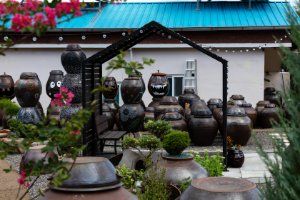
At 15 Munsan 3-gil, Ubo-myeon, this outdoor garden was tended by hand by the driver of the village's Happiness Bus. Jar works with beads attached to every hole and a tower of stacked jars stand among the bushes. It is open 10:00–21:00 and may close on rainy or snowy days and depending on personal schedules. Admission is 5,000 won for adults and teenagers and 3,000 won for elementary school students, and preschool children are free. Parking is available.
- Hours
- 10:00–21:00
- Closed days
- Open all year
- Fee
- 5,000 wonAdults and teenagers more
-
42
On Wonhyo-gil, Bugye-myeon, this valley has a 4 km stream flowing through the primeval forest of Palgongsan, with large and small waterfalls along the water. It has long been called 'Myeokbau' because of its plentiful water. It is always open, free to use, and has parking.
- Hours
- Always open
- Closed days
- Open all year
- Fee
- Free

-
43
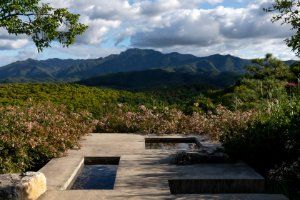
At 1150 Chisanhyoryeong-ro, this garden is laid out so that you walk among old trees, stone statues and buildings and fall into thought. The architects Seung Hyo-sang, Alvaro Siza and Choe Uk, the landscape designer Jeong Yeong-seon and the calligrapher Wei Liang took part in creating it. It has spaces such as Soyoheon, Myeongjeong and Pungseolgicheonnyeon. It is open 09:00–18:00, last entry is at 15:00, and it is closed on the days of Seollal (Lunar New Year) and Chuseok. Admission is 50,000 won for general visitors and 45,000 won for teenagers on weekdays. On weekends and public holidays it is 69,000 won for general visitors and 62,000 won for teenagers. Parking is available.
- Hours
- 09:00–18:00 (last entry 15:00)
- Closed days
- Day of Seollal and Chuseok
- Fee
- General 50,000 wonWeekdays more
-
44
Changpyeongji Eco-friendly Ecological Park
At 1176 Chisanhyoryeong-ro, this park has a 1.8 km wooden deck ecological trail around Changpyeongji, an artificial reservoir that supplies agricultural water. A walking path crosses over the reservoir, and laser lighting comes on at night. It is always open and free to enter. Parking is available.
- Hours
- Open at all times
- Closed days
- Open year-round
- Fee
- Free

-
45
In Dongsan-ri, Bugye-myeon, this is the Gunwi-gun area of the national park around Palgongsan, which is 1192.3 m above sea level. It takes in parts of Bugye-myeon, Sanseong-myeon and Hyoryeong-myeon, and Ingaksa Temple, where the monk Iryeon wrote his book, is in this area. It became a provincial park in May 1980 and National Park No. 23 on December 31, 2023. It is always open, but entry may be restricted depending on the weather. Parking is available.
- Hours
- Always open more
- Closed days
- Entry may be restricted depending on weather conditions
- Fee
- Not listed

-
46
In Dongsan-ri, Bugye-myeon, this 3,750 m² nature study area is near the top of Palgongsan. From the pavilion and observatory you see the Cheongundae cliff and the ridge of Palgongsan. You climb from the Dongsan parking lot by a trail or an access road, and it connects to the routes to Birobong, Dongbong and Seobong. It is open 04:00–16:00 from April to October and 05:00–15:00 from November to March, every day of the year. Admission is free, and parking is available.
- Hours
- 04:00–16:0005:00–15:00 more
- Closed days
- Open all year
- Fee
- Free

-
47
In Hwabuk-ri, Samgugyusa-myeon, this rock cliff rises across from Ingaksa Temple and is named for the story that cranes once nested there. Wicheon Stream flows beneath the cliff, and rocky hills covered with pine forest stand on both sides. It is always open and free to enter. Parking is available.
- Hours
- Always open
- Closed days
- Open all year
- Fee
- Free

Photos: Korea Tourism Organization · KOGL Type 3 (no changes allowed), KOGL Type 1
FAQ
Where can you see summer lotus flowers in Daegu?
At Banyawol Lotus Complex in Daerim-dong, Dong-gu, you see lotus flowers in July and August along about 13 km of paths on 4 courses, but parking is not available. The nearby Jeomsaeneup Lotus Ecological Park has a deck path and parking. Nabulji Ecological Park in Gaksan-dong, Dong-gu, also has lotus flowers in summer. All three are always open and have no admission fee.
Are Daegu's arboretums open on Monday?
Daegu Arboretum in Dalseo-gu is closed every Monday. It is open 09:00–18:00 from January to April and from September to December, and 08:00–19:00 from May to August. Daehan Arboretum in Dong-gu is open 09:30–22:00 every day of the year. Daegu Secheon Swamp Theme Garden in Dalseong-gun, which is classed as an arboretum or forest in the Korea Tourism Organization classification, is always open and has no closed day. All three have no admission fee and have parking.
Where are the seasonal flower fields in Daegu?
At Daegu Hajungdo Island (Geumho Kkotseom) in Buk-gu, rapeseed flowers and barley bloom in spring and cosmos and buckwheat in fall. The spring flower complex is open 09:00–18:00 on weekdays and 09:00–19:00 on weekends. At Nongong Flower Complex in Dalseong-gun, cornflowers and poppies bloom in spring and sunflowers and pink muhly in fall. At Palhyeon Ecological Park in Suseong-gu, rapeseed flowers bloom in May and chrysanthemums in fall. At Daegu Secheon Swamp Theme Garden in Dalseong-gun, tulips and pink muhly bloom in season. Parking is not available at Nongong Flower Complex and Palhyeon Ecological Park.
Which natural attractions in Daegu charge an admission or usage fee?
Of the 47 natural attractions on this site, 5 list fees. Sayuwon in Gunwi-gun charges 50,000 won for general admission on weekdays and 69,000 won on weekends and public holidays. Gunwi Hangari Guseul Garden charges 5,000 won for adults and teenagers. Gunwi Janggok Recreational Forest charges individual adults 1,000 won. Samunjin Picnic Area in Dalseong-gun charges 15,000 won for a large pyeongsang and 10,000 won for a small one, and Hwawon Recreational Forest charges 100,000 won–200,000 won for a forest cabin. 35 places have the fee value 'free'.
Source: Korea Tourism Organization TourAPI